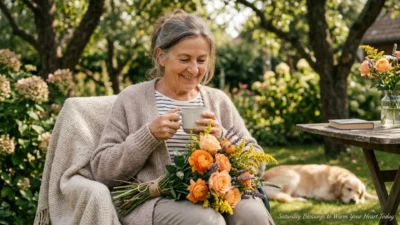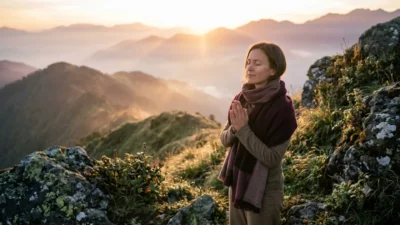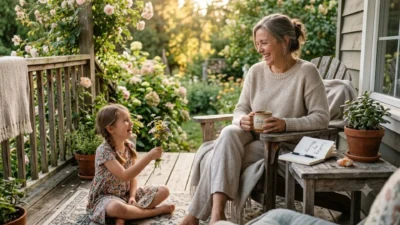
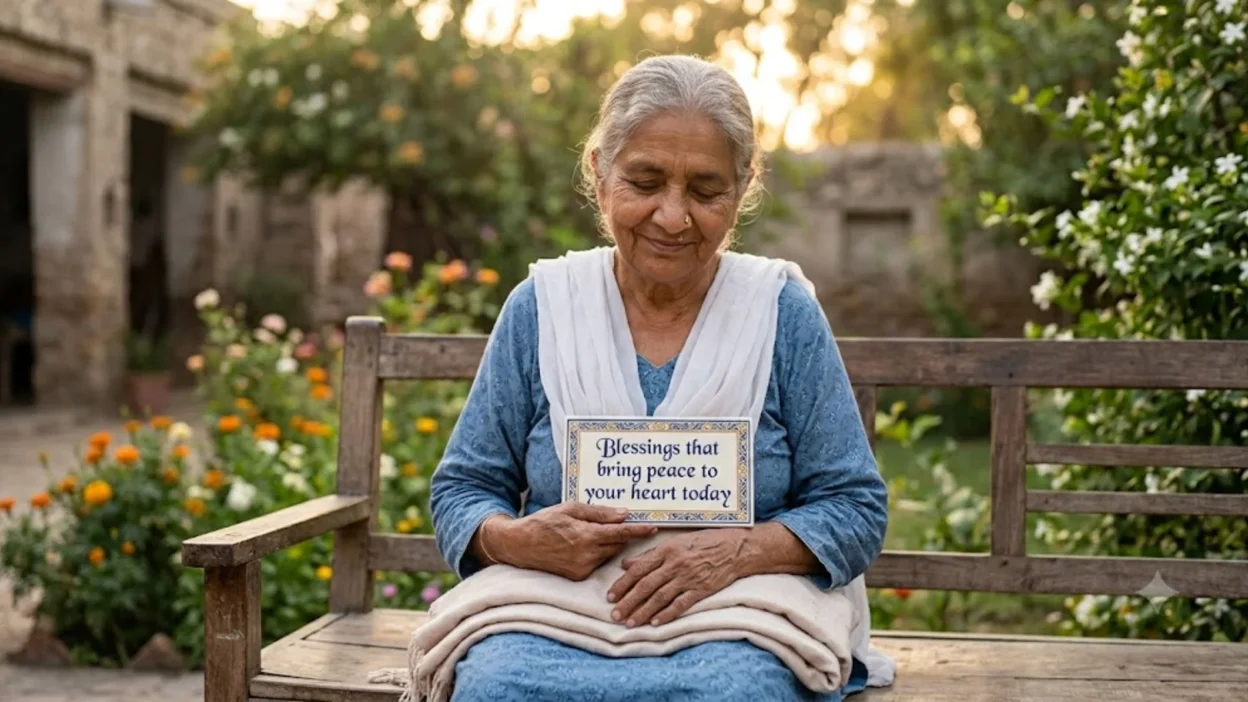
Sometimes, we all feel a little lost in the noise of daily life. A missed call, an unpaid bill, a quiet argument at breakfast — these small moments pile up until we forget to breathe. That’s usually the exact moment someone shares a blessings image with us, and everything softens for a second.
You’ve probably felt this yourself. A friend sends a soft sunrise photo with a short prayer written across it, and suddenly your shoulders drop an inch. That’s not a coincidence. Blessings images carry something words alone can’t always deliver — a visual pause, a small altar you can carry in your pocket.
This article isn’t another generic list of “50 blessing quotes.” Instead, we’ll walk through why these images matter, the different kinds you’ll come across, real situations where they help, and messages you can actually use today — for yourself or someone who needs it more than you do.
Why Blessings Images Matter More Than We Realize
A blessing, at its core, is a wish for someone’s good — spoken, written, or in this case, shown. However, an image adds a layer that plain text doesn’t. It slows the reader down.
Think about the last time you scrolled past a wall of text versus a single image with a gentle phrase overlaid on a soft background. Your eyes stopped, didn’t they? That pause is where the emotional impact lives.
The Emotional Weight Behind a Simple Image
Researchers in visual psychology have long noted that humans process images far faster than text, and they retain the feeling of an image longer than the details of a sentence. So when a blessing is paired with a calming photo — a candle, folded hands, morning light through leaves — the feeling sticks even after the words fade from memory.
Moreover, a blessings image often becomes a small ritual. Some people save a particular one to their phone and open it every morning before checking anything else. It’s a two-second reset, and for many, that’s enough to shift the tone of an entire day.
A Bridge Between Faith and Daily Life
Not everyone who shares or receives a blessings image identifies strongly with organized religion. For many, it’s simply spirituality in its softest form — a belief that good intentions, sent sincerely, matter. As a result, these images cross religious and cultural lines more easily than formal prayers do.
Types of Blessings Images People Search For
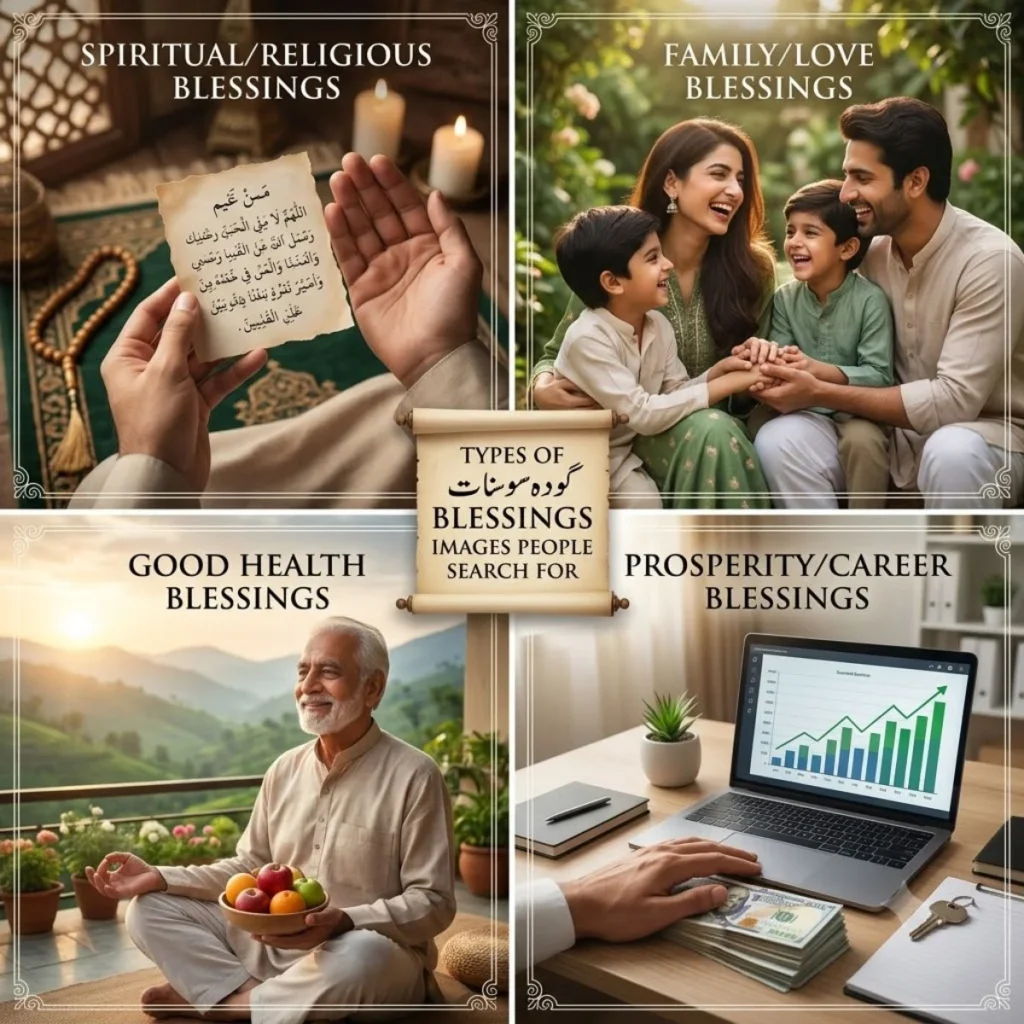
Not all blessings images serve the same purpose, and knowing the difference helps you pick — or create — the right one for the right moment.
Morning and Evening Blessings
These are usually paired with sunrise or sunset visuals. A morning blessing sets intention before the day begins; an evening one closes the day with gratitude, even if the day was hard.
“May this morning bring you quiet strength for whatever waits ahead.” 🌅
Blessings for Family and Loved Ones
These focus on protection, health, and togetherness. They’re often shared in family group chats, especially before a trip, surgery, exam, or big decision.
Healing and Comfort Blessings
For someone sick, grieving, or simply exhausted, these images carry softer language — less “congratulations,” more “I’m sitting with you in this.”
Religious and Scripture-Based Blessings
These draw from specific texts — Bible verses, Quranic phrases, or other sacred sources — layered over serene imagery. They serve readers who want their blessing rooted in a specific tradition.
Motivational and New Beginnings Blessings
Shared for new jobs, new homes, new years, or fresh starts. The tone here leans hopeful and forward-facing rather than reflective.
Real-Life Situations Where Blessings Images Bring Comfort
It helps to see these images in context rather than as decoration. Here’s where they actually show up in people’s lives.
Before a Difficult Medical Appointment
A mother waiting outside an operating room doesn’t need a lecture. What she needs is a single image, sent by a sister or friend, that says someone out there is holding hope for her too. Because words can feel heavy in that moment, an image often communicates faster than a paragraph ever could.
During a Long-Distance Goodbye
When a child moves abroad for university, or a soldier ships out, families often exchange a blessing image the night before departure. It becomes something to look back on months later, still sitting in a saved folder.
On Ordinary Tuesday Mornings
Not every use case is dramatic. Sometimes it’s just a coworker sending a “have a blessed day” image at 8 a.m. because the group chat has been quiet and someone wanted to check in without saying much.
After an Argument or Falling Out
A blessing image can act as a quiet olive branch — something less confrontational than “I’m sorry,” but still warm enough to open the door back up.
Heartfelt Blessing Messages You Can Share Today
Below are messages written for real situations, not generic filler. Feel free to pair any of these with a soft photo of your own.
- 🌿 “May today hand you one small mercy you weren’t expecting.”
- ✨ “Sending you strength for the parts of today you’re dreading.”
- 🕊️ “May your home stay full — of laughter, of food, of people who stay.”
- 💛 “Whatever you’re carrying, I hope it feels lighter by evening.”
- 🙏 “May you find rest, even in the middle of the mess.”
Each of these avoids the overused “sending good vibes” phrasing. Instead, they name something specific — dread, mess, mercy — because specificity is what makes a blessing feel like it was written for you.
Deep Prayers for Harder Days
Some days call for something with more weight than a quick message. These prayers work well as standalone images with a plain, calm background.
For strength: “Give me the strength I don’t feel I have right now. Let me get through today, one hour at a time, without needing to see the whole road ahead.”
For healing: “Let healing come — not all at once, but steadily, the way morning light fills a room slowly instead of all at once.”
For peace of mind: “Quiet the part of my mind that keeps replaying what already happened. Let me be here, in today, instead.”
These aren’t tied to one religion specifically; they’re written so anyone, regardless of background, can read them and feel addressed.
How People Use Blessings Images in Daily Life
So how do these images actually fit into a normal week? Usually, in small, repeatable ways rather than grand gestures.
As a Phone Lock Screen
Many people set a blessing image as their lock screen for a week or a season — during a job search, a pregnancy, or a recovery period — so the message meets them every time they check the time.
In Family and Friend Group Chats
A Monday morning blessing, a Friday gratitude image, a Sunday reset message — these small rhythms give group chats a heartbeat beyond memes and logistics.
As Part of a Morning Routine
Some pair a blessing image with their coffee or prayer time, treating it like a two-minute checkpoint before the day picks up speed.
Shared During Celebrations
Birthdays, graduations, new babies, new homes — blessing images often travel alongside congratulations, adding a layer of “may this continue to go well for you” underneath the celebration itself.
Choosing or Creating a Blessings Image That Feels Right
If you’re picking an image rather than just a message, a few small choices matter more than people expect.
First, the background should be calm, not busy — soft light, natural textures, muted colors. Second, the text should be short enough to read in under three seconds; if it takes longer, it loses its emotional punch. Finally, choose imagery that matches the moment — a golden sunrise doesn’t suit a message for someone grieving, and a dim, somber tone doesn’t suit a birthday blessing.
Because context is everything, mismatched images and text can actually feel a little hollow, even if the words themselves are lovely.
Frequently Asked Questions
What makes a blessings image different from just a quote? A quote is text alone. A blessings image pairs that text with a visual — light, color, texture — that helps the feeling land faster and stay longer in memory.
Can I send a blessings image to someone of a different faith? Yes, as long as the message is written in general, warm language rather than tied to one specific tradition’s wording. Many of the messages above are written this way on purpose.
Are blessings images only for religious people? Not at all. Many people who don’t practice a specific religion still find comfort in the tone of hope and goodwill these images carry.
What’s the best time to send a blessing image to someone? Early morning and late evening tend to land best, since that’s when people are either starting or closing out their day and have a moment to actually pause and read.
Can I create my own blessings image instead of using a template? Absolutely — in fact, a personal photo paired with your own words often means more to the recipient than a generic template ever could.
Is it okay to reuse the same blessing image for multiple people? It’s fine occasionally, but for someone going through something specific — illness, loss, a big decision — a message written just for them will always feel warmer.
How do I know which type of blessing fits a situation? As a general rule, match the tone to the moment: comfort for hardship, hope for beginnings, gratitude for good news, and gentleness for grief.
A Final Word
At the end of the day, a blessings image is such a small thing — a photo, a few words, sent in seconds. And yet, it can be the one message someone reads three times before finally putting their phone down and breathing a little easier.
So the next time you’re not sure what to say to someone, don’t overthink it. Find an image that feels honest, add a few words that are true, and send it. That’s often more than enough.
Lucas Reed is a passionate writer and the voice behind Blessanchor, a platform dedicated to sharing faith, inspiration, and uplifting messages. With a deep appreciation for spiritual growth and personal reflection, he creates meaningful content that encourages readers to find peace, purpose, and positivity in their daily lives.
Through thoughtful insights and heartfelt writing, Lucas aims to inspire individuals to stay grounded in faith, embrace life’s journey, and discover strength even in difficult moments. His work focuses on spreading hope, promoting inner calm, and helping others build a deeper connection with their beliefs.
At Blessanchor, Lucas Reed continues his mission to share words that uplift the soul, inspire change, and bring light into everyday life.