
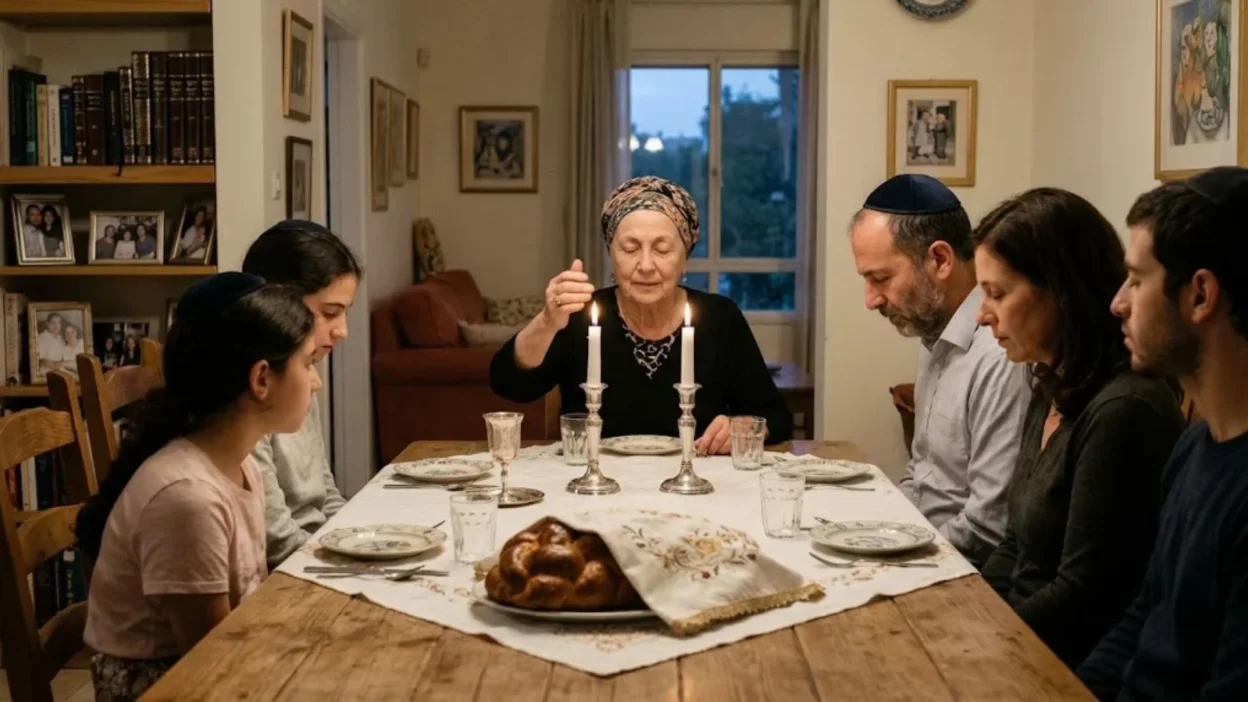
Jewish blessings are a beautiful way to bring gratitude, faith, and meaning into everyday life. Whether you are welcoming a new morning, sharing a meal with loved ones, celebrating a holiday, or searching for comfort during a difficult season, these meaningful prayers can help you reconnect with what matters most.
In Jewish tradition, blessings are more than words of good wishes. They express gratitude, recognize God’s presence, and encourage people to appreciate life’s everyday gifts. From traditional Hebrew prayers to heartfelt messages for family and friends, Jewish blessings offer meaningful ways to celebrate joy, seek peace, and find hope.
Sometimes, life becomes so busy that we overlook the little things that make it special. A peaceful morning, a supportive friend, a family meal, or the courage to begin again can all become reasons for gratitude.
In this guide, you will discover traditional Jewish blessings, their meanings, prayers for different occasions, and heartfelt messages to share with loved ones. You will also learn how these beautiful traditions can bring more mindfulness and spiritual connection into daily life.
What Are Jewish Blessings and Why Are They Important?
Jewish blessings, known in Hebrew as berakhot (ברכות), are expressions of praise, gratitude, and recognition of God’s presence. They are an essential part of Jewish religious life and connect ordinary experiences with spiritual awareness.
Unlike prayers reserved only for special occasions, many Jewish blessings accompany everyday activities. For example, people recite blessings before eating, upon waking, during religious celebrations, and when experiencing certain significant moments.
The Meaning of Jewish Blessings
Many traditional Jewish blessings begin with Baruch Atah Adonai, meaning Blessed are You, Lord. The complete wording depends on the particular blessing and its purpose.
These prayers acknowledge God as the source of life, nourishment, wisdom, and spiritual guidance. Consequently, they help people approach daily experiences with gratitude and humility.
The Spiritual Importance of Gratitude
Gratitude plays a central role in Jewish tradition. Blessings encourage people to recognize the goodness in life rather than taking every gift for granted.
For instance, a blessing before a meal can transform an ordinary dinner into a moment of appreciation. Similarly, a morning prayer can remind someone that a new day offers another opportunity to love, learn, and grow.
Most importantly, gratitude does not require a perfect life. Even during uncertainty, a person can pause, reflect, and recognize something meaningful.
Traditional Jewish Blessings and Their Meanings
Jewish tradition includes many established blessings associated with daily activities, religious observances, and special occasions. Understanding their meanings helps readers appreciate their spiritual significance and cultural context.
1. Modeh Ani: A Jewish Morning Blessing
Modeh Ani is traditionally recited upon waking, before the morning handwashing ritual. It expresses gratitude for the restoration of life and consciousness.
Hebrew: מוֹדֶה אֲנִי לְפָנֶיךָ
Transliteration: Modeh ani lefanecha.
Meaning: I give thanks before You.
The complete prayer thanks God for restoring the soul with compassion and faithfulness. Its wording varies slightly according to the speaker’s gender.
This simple morning tradition carries a powerful message. Every new day provides another opportunity to make a difference, repair a relationship, or approach life with renewed purpose.
2. Shehecheyanu: A Blessing for New Experiences
The Shehecheyanu blessing expresses gratitude for reaching a meaningful occasion or experiencing certain new things.
Hebrew: בָּרוּךְ אַתָּה יְיָ אֱלֹהֵינוּ מֶלֶךְ הָעוֹלָם שֶׁהֶחֱיָנוּ וְקִיְּמָנוּ וְהִגִּיעָנוּ לַזְּמַן הַזֶּה
Transliteration: Baruch Atah Adonai, Eloheinu Melech ha’olam, shehecheyanu, v’kiy’manu, v’higianu laz’man hazeh.
Meaning: Blessed are You, Lord our God, King of the universe, who has given us life, sustained us, and brought us to this time.
This blessing is traditionally recited on certain Jewish holidays and special occasions. It can also accompany particular new experiences, depending on Jewish practice.
Its message reminds us to appreciate meaningful milestones rather than rushing past them.
3. Hamotzi: A Blessing Before Bread
Hamotzi is the traditional blessing recited before eating bread. It is especially familiar during Shabbat and Jewish holiday meals.
Hebrew: בָּרוּךְ אַתָּה יְיָ אֱלֹהֵינוּ מֶלֶךְ הָעוֹלָם הַמּוֹצִיא לֶחֶם מִן הָאָרֶץ
Transliteration: Baruch Atah Adonai, Eloheinu Melech ha’olam, hamotzi lechem min ha’aretz.
Meaning: Blessed are You, Lord our God, King of the universe, who brings forth bread from the earth.
This prayer acknowledges the nourishment that sustains life. Moreover, it creates an opportunity to appreciate the food, labor, and resources behind a shared meal.
4. Birkat Hamazon: Blessings After Eating
Birkat Hamazon, also known as Grace After Meals, is traditionally recited after eating bread as part of a qualifying meal under Jewish law.
The prayers express gratitude for food, the land, and God’s goodness. They also include themes of compassion, sustenance, and hope.
For many families, this tradition reinforces an important principle: appreciation should continue after receiving a gift, not only while anticipating it.
Jewish Blessings for Peace, Hope, and Protection
Life brings moments of happiness alongside uncertainty. Jewish prayers and blessing traditions provide meaningful ways to express hope, seek peace, and remember the importance of compassion.
A Jewish Blessing for Peace
Peace is a central theme in Jewish prayer. The Amidah, a central Jewish prayer, includes a blessing for peace, while the Priestly Blessing concludes with a wish for peace.
Numbers 6:26 contains these words:
Hebrew: וְיָשֵׂם לְךָ שָׁלוֹם
Transliteration: V’yasem lecha shalom.
Meaning: May God grant you peace.
In Jewish thought, shalom can express more than freedom from conflict. It can also suggest wholeness, harmony, security, and well-being.
A Blessing for Protection
Jewish tradition includes prayers for protection during travel and uncertain circumstances. One example is Tefilat HaDerech, the Traveler’s Prayer, traditionally recited for an appropriate journey.
You can also share this original blessing message:
May your path be safe, your choices be wise, and your heart remain steady through unexpected challenges. May kindness accompany you, and may you return home in peace.
These words are a contemporary blessing message rather than a traditional Hebrew prayer. They are suitable for someone beginning a journey or facing an important transition.
A Blessing for Hope During Difficult Times
Hope does not mean pretending that pain is absent. Instead, it allows us to believe that difficult moments do not define our entire future.
May you find strength when the road feels difficult, comfort when your heart feels heavy, and people who remind you that you are not alone. May tomorrow bring renewed courage and a little more light.
Share this message with someone experiencing uncertainty. Sometimes, a gentle reminder of care can mean more than advice.
Jewish Blessings for Family and Loved Ones
Family relationships hold many of life’s deepest joys and challenges. Jewish blessings help people express love, gratitude, and their hopes for the well-being of those closest to them.
A Blessing for Parents
Parents often provide care and encouragement without expecting recognition. A heartfelt blessing can acknowledge their efforts and express appreciation.
May your parents be surrounded by love, treated with kindness, and blessed with moments of peace. May the care they have given others return through companionship, comfort, and joy.
This original message is suitable for a greeting card, family gathering, or personal note.
A Blessing for Children
Many Jewish families bless their children on Friday evenings before the Shabbat meal. Traditional customs often invoke Ephraim and Manasseh for sons and Sarah, Rebecca, Rachel, and Leah for daughters.
The blessing commonly continues with the Priestly Blessing from Numbers 6:24–26.
For a personal message, you might write:
May you grow in wisdom, kindness, and courage. May you always remember your worth, treat others with compassion, and find the strength to choose what is right.
A Blessing for Marriage
Jewish wedding traditions include the Sheva Brachot, or Seven Blessings. These prayers celebrate creation, joy, companionship, and the hope for a loving future.
For a newly married couple, consider this original message:
May your home become a place of understanding, laughter, and peace. May you support one another through change, celebrate each other’s growth, and find new reasons to choose love every day.
Jewish Blessings for Healing and Strength
Illness, grief, and emotional struggles can leave people searching for comfort. Jewish prayer traditions include expressions of hope for healing, while compassionate messages can help loved ones feel supported without promising a particular outcome.
Mi Shebeirach: A Prayer for Healing
Mi Shebeirach is the name commonly associated with Jewish prayers asking God to bring healing to someone who is ill. Different versions and customs exist across Jewish communities.
A widely used English rendering begins with a request for the blessing of those who came before us and asks for healing for the person in need.
The prayer seeks refuah shleimah, meaning complete healing. Depending on the version, this can encompass physical healing and emotional or spiritual strength.
For someone facing illness, a simple personal message might be:
May you find strength through treatment, comfort in the care of others, and hope throughout your recovery. May each day bring the support and peace you need.
This message complements a compassionate approach to illness without replacing medical care or claiming that prayer guarantees recovery.
A Blessing for Someone Experiencing Grief
Grief does not follow a schedule. Some days feel manageable, while others bring unexpected waves of sadness.
May you find gentle moments of rest amid your sorrow. May loving memories bring comfort, and may caring people give you space to grieve without feeling alone.
In Jewish tradition, mourning practices recognize both the depth of loss and the importance of community support. A thoughtful message can honor that balance by offering presence rather than demanding that someone feel better.
A Blessing for Emotional Strength
When life feels overwhelming, even small steps can require courage.
May you find patience with yourself, strength for the challenges ahead, and wisdom to recognize when you need support. May peace return gradually, one meaningful moment at a time.
These words are especially appropriate for a friend experiencing a stressful period or adjusting to a significant life change.
Jewish Blessings for Shabbat and Holidays
Jewish holidays and Shabbat bring families and communities together through prayer, food, remembrance, and celebration. Their blessings reflect gratitude, sacred time, and the importance of shared traditions.
Shabbat Blessings for Friday Evening
Shabbat begins at sunset on Friday and concludes after nightfall on Saturday, with details determined by Jewish practice and local circumstances.
Many households welcome Shabbat by lighting candles, reciting Kiddush over wine or grape juice, and blessing bread.
The traditional blessing for Shabbat candle lighting includes:
Transliteration: Baruch Atah Adonai, Eloheinu Melech ha’olam, asher kid’shanu b’mitzvotav v’tzivanu l’hadlik ner shel Shabbat.
Meaning: Blessed are You, Lord our God, King of the universe, who has sanctified us with His commandments and commanded us to kindle the Shabbat light.
The precise practice and wording can vary by community and circumstance.
Shabbat offers a weekly opportunity to pause from ordinary work, reconnect with loved ones, and create space for reflection.
Jewish Blessings for Hanukkah
Hanukkah commemorates the rededication of the Temple in Jerusalem and is celebrated over eight nights. Traditional observances include lighting the Hanukkah lights and reciting blessings.
The blessings recognize the commandment to kindle the lights, recall the historical miracles, and, on the first night, express gratitude for reaching the occasion.
A contemporary Hanukkah message might say:
May the lights of Hanukkah remind you of courage, resilience, and the hope that can shine even during difficult times. May your home be filled with warmth, gratitude, and joyful memories.
Jewish Blessings for Rosh Hashanah
Rosh Hashanah marks the Jewish New Year and is associated with reflection, prayer, and the hope for a good year ahead.
A familiar greeting is Shanah Tovah, meaning a good year.
You can also share this heartfelt message:
May the coming year bring wisdom to your decisions, kindness to your relationships, and peace to your home. May you have the courage to grow and the gratitude to appreciate each new opportunity.
Jewish Blessings for Passover
Passover, or Pesach, commemorates the Israelites’ liberation from slavery in Egypt. Its traditions emphasize freedom, remembrance, family, and responsibility.
A meaningful Passover greeting could be:
May Passover inspire freedom, compassion, and renewed hope. May your Seder bring loved ones together, strengthen meaningful traditions, and remind you of the importance of dignity and justice.
Traditional Passover blessings are associated with specific rituals, so this greeting should be understood as an original holiday message.
Jewish Blessings for Daily Life
You do not need a major celebration to express gratitude. Everyday experiences can become opportunities to pause, reflect, and recognize the people and circumstances that enrich your life.
A Blessing for Starting a New Day
May this morning bring a clear mind, a grateful heart, and the courage to meet whatever comes. May you notice small moments of goodness and share kindness wherever you go.
For a traditional Jewish approach, consider learning Modeh Ani and incorporating it into your morning routine.
A Blessing Before a Meal
May this meal remind us of the nourishment we receive, the hands that helped prepare it, and the people fortunate enough to share it. May our table be filled with gratitude, generosity, and meaningful conversation.
This is an original reflection inspired by the values of gratitude in Jewish meal blessings, not a substitute for the traditional Hamotzi.
A Blessing Before Sleep
May the worries of today become easier to carry as you rest. May your home be peaceful, your body find renewal, and your heart awaken tomorrow with fresh hope.
Jewish bedtime prayer traditions include Kriat Shema al HaMitah, the recitation of the Shema associated with going to sleep, along with other prayers and customs.
A Blessing for a New Home
Moving into a new home can bring excitement, uncertainty, and a sense of possibility.
May this home become a place of safety, hospitality, laughter, and understanding. May everyone who enters feel welcome, and may its rooms hold memories of kindness and peace.
This original blessing can accompany a housewarming card or family celebration.
How to Incorporate Jewish Blessings Into Your Routine
Jewish blessings become more meaningful when people understand their purpose and use them with intention. You can begin with small, respectful practices that fit your circumstances.
Learn the Meaning Before Reciting a Prayer
First, choose a blessing that interests you. Read its Hebrew text, transliteration, and translation from a reliable Jewish prayer resource.
Understanding the words can make the experience more meaningful. Additionally, learning about the blessing’s context helps you distinguish established liturgy from modern inspirational messages.
Create a Moment of Gratitude Each Day
Set aside a brief moment in the morning or evening to reflect on something you appreciate.
For example, you might think about a supportive friend, a lesson learned, or an opportunity to help someone. This practice complements the broader Jewish emphasis on gratitude.
Share Blessings With Respect and Sincerity
A blessing can be shared in a card, text message, family gathering, or personal conversation. However, consider the recipient’s beliefs and the meaning of the occasion.
When sharing a traditional prayer, preserve its wording and context where possible. If you create your own message, describe it as an original blessing rather than presenting it as an ancient Hebrew prayer.
Frequently Asked Questions About Jewish Blessings
These answers explain common questions about Jewish blessings, their uses, and their significance in everyday life.
1. What Is the Most Common Jewish Blessing?
There is no single blessing that is most common in every setting. Modeh Ani is familiar as a morning prayer, while Hamotzi is widely recognized as the blessing before bread. Usage depends on the occasion and the person’s Jewish practice.
2. What Does Baruch Atah Adonai Mean?
Baruch Atah Adonai means Blessed are You, Lord. It is the opening phrase of many traditional Jewish blessings and is followed by words specific to the blessing’s purpose.
3. What Is a Traditional Jewish Blessing for Peace?
Jewish prayer includes several expressions of peace, including the Priestly Blessing in Numbers 6:24–26. Its final verse asks God to grant peace. The Hebrew word shalom also conveys ideas of wholeness and well-being.
4. What Jewish Blessing Can I Share With Someone Who Is Sick?
Mi Shebeirach is associated with prayers for healing. You can also send a personal message expressing hope, strength, and support. Be sensitive to the person’s circumstances and avoid promising that a prayer will guarantee recovery.
5. What Is the Jewish Blessing for a New Year?
A familiar Rosh Hashanah greeting is Shanah Tovah, meaning a good year. Some people also use Shanah Tovah Umetukah, meaning a good and sweet year.
6. Are Jewish Blessings Always Recited in Hebrew?
Many traditional Jewish blessings are recited in Hebrew, although some prayers and personal expressions may be offered in other languages. English translations can help people understand the meaning, while customs differ among communities.
7. Can I Share Jewish Blessing Messages With Friends?
Yes, when shared respectfully and with an understanding of their context. Traditional prayers should be distinguished from original inspirational messages. For religious occasions, learning the customary blessing is a thoughtful way to honor the tradition.
Conclusion: Find Meaning in Every Blessing
Jewish blessings remind us that spiritual connection can begin with simple acts of gratitude. A morning prayer, a shared meal, a candle lit for Shabbat, or a heartfelt message to someone in need can create a meaningful moment in an otherwise busy day.
Their deeper value lies not only in the words themselves but also in the attention, faith, and compassion they encourage. Through blessings, people can celebrate joyful milestones, seek comfort during uncertainty, and express appreciation for the relationships that make life meaningful.
You do not need to wait for a perfect moment to recognize something good. Instead, pause where you are, appreciate what matters, and offer kindness whenever you can.
May your days be filled with peace, your home with warmth, and your heart with gratitude. May you find courage during difficult seasons, joy in ordinary moments, and meaningful connections wherever life takes you.

Lucas Reed is a passionate writer and the voice behind Blessanchor, a platform dedicated to sharing faith, inspiration, and uplifting messages. With a deep appreciation for spiritual growth and personal reflection, he creates meaningful content that encourages readers to find peace, purpose, and positivity in their daily lives.
Through thoughtful insights and heartfelt writing, Lucas aims to inspire individuals to stay grounded in faith, embrace life’s journey, and discover strength even in difficult moments. His work focuses on spreading hope, promoting inner calm, and helping others build a deeper connection with their beliefs.
At Blessanchor, Lucas Reed continues his mission to share words that uplift the soul, inspire change, and bring light into everyday life.