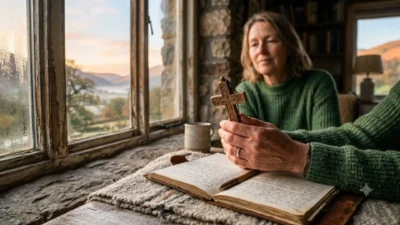
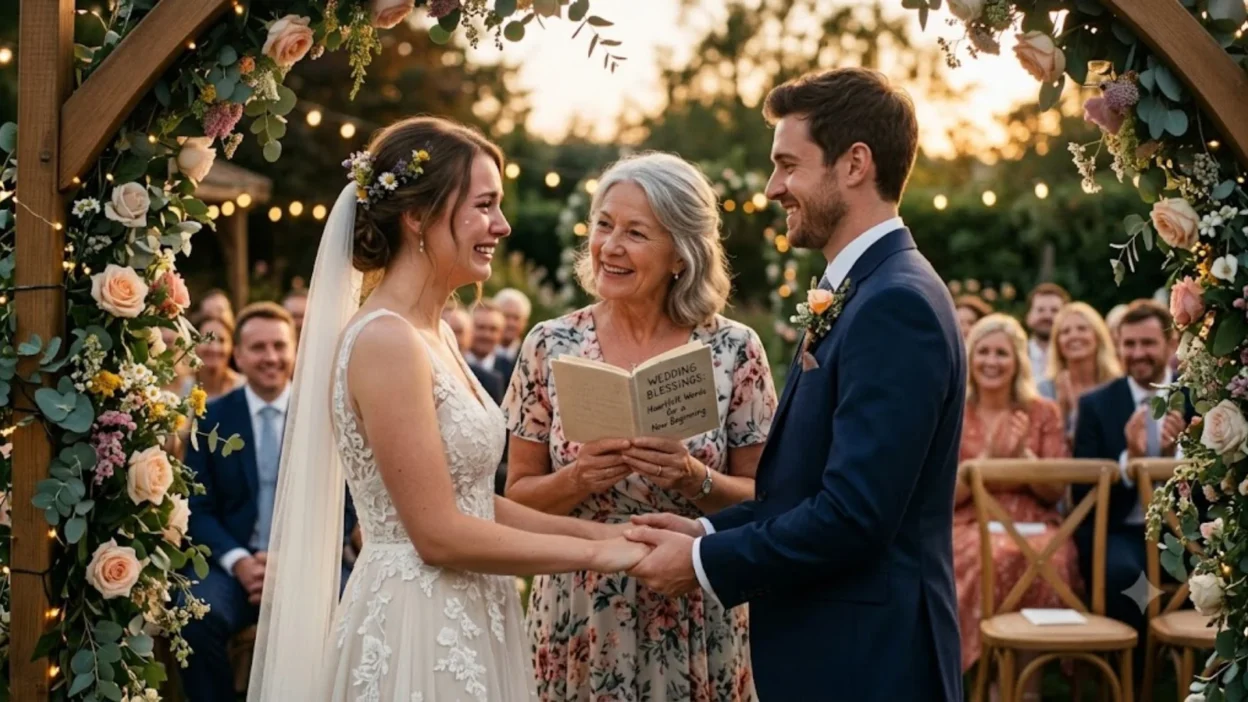
There’s something quietly magical about the moment before you write a wedding blessing. You sit there, pen in hand, and suddenly every word feels too small for what you actually want to say.
Sometimes, we all feel that pressure — the wish to capture love, hope, and a lifetime of happiness in just a few lines. That’s exactly what this guide is here to help you do.
Whether you’re a parent watching your child walk into a new chapter, a best friend searching for the right toast, or simply someone who believes in the quiet power of a blessing, you’ll find real, usable words here. Wedding blessings aren’t just pretty sentences — they’re small prayers we send into someone’s future.
What Do Wedding Blessings Really Mean?
Before diving into examples, it helps to understand why wedding blessings carry so much weight. They aren’t just tradition — they’re an emotional bridge between two families, two hearts, and two futures becoming one.
The Emotional Purpose Behind a Blessing
A wedding blessing is more than a nice sentence read aloud during a ceremony. It’s a wish spoken with intention — for patience during hard seasons, for laughter during ordinary days, and for a love that keeps choosing itself, again and again.
Because marriage is unpredictable, a blessing acts like an anchor. It reminds the couple, even years later, that people around them believed in their union from the very beginning.
Why Blessings Still Matter in Modern Weddings
Some might assume blessings feel old-fashioned in today’s weddings. However, the opposite tends to be true. Couples today are craving more meaning, not less — fewer empty traditions, more genuine words.
As a result, many modern ceremonies now include personal blessings instead of only religious ones. This shift makes space for anyone — family, friends, or the couple themselves — to offer something sincere.
Types of Wedding Blessings You Can Use
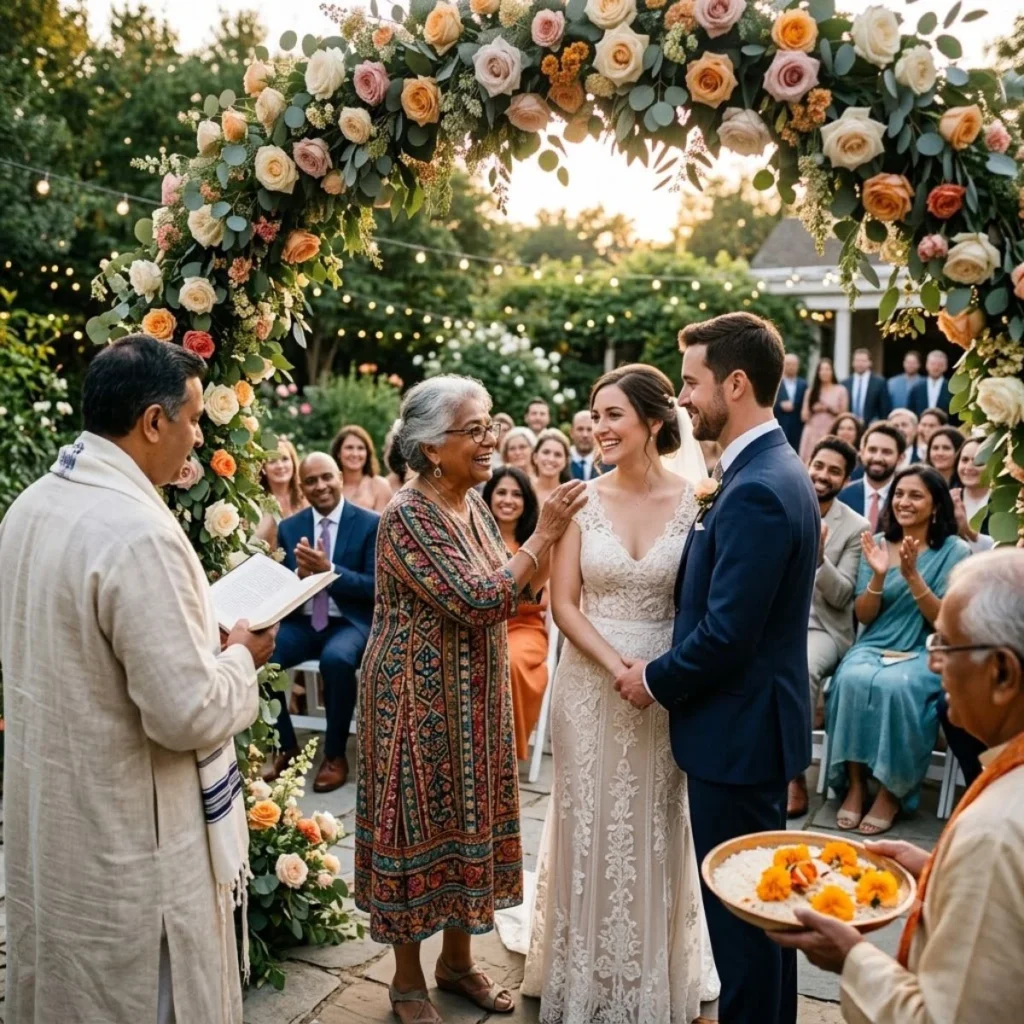
Not every blessing fits every couple. So, understanding the different types can help you choose (or write) something that feels right for the moment.
Religious and Traditional Blessings
These blessings often draw from scripture, prayer books, or long-standing customs. They tend to focus on themes like faithfulness, divine guidance, and lifelong commitment.
For example, many Christian ceremonies include blessings centered on unconditional love, while Jewish weddings often incorporate the Sheva Brachot, or Seven Blessings.
Non-Religious and Spiritual Blessings
For couples who aren’t religious but still want something meaningful, spiritual blessings focus on universal ideas — connection, gratitude, and growth — without referencing a specific faith.
These blessings often mention nature, the universe, or simply “the life you’re building together,” making them flexible for interfaith or secular ceremonies.
Personal and Family Blessings
These are the ones that hit hardest. A parent’s blessing, a grandparent’s whispered advice, or a sibling’s toast — these carry a weight that formal words simply can’t replicate.
Because they come from lived experience, personal blessings feel less like a script and more like truth.
Real-Life Situations Where Blessings Are Needed
Understanding when people search for wedding blessings makes it easier to write one that actually fits. Below are common real-life moments where the right words matter most.
Writing a Blessing for a Wedding Card
You’ve bought the card. You’ve stared at the blank space inside for ten minutes. This is one of the most common moments people need a wedding blessing for — something warm, not too long, and easy to personalize with the couple’s names.
Speaking a Blessing During the Ceremony
If you’ve been asked to say a blessing out loud, nerves can make even simple words feel hard to find. In this case, shorter, rhythmic blessings tend to work best, since they’re easier to speak with emotion instead of reading flatly.
Including a Blessing in a Wedding Toast
Toasts blend humor, memory, and emotion. Meanwhile, ending a toast with a genuine blessing gives it a warm, memorable close — instead of trailing off awkwardly after a joke.
Blessing a Couple You Love From Afar
Not everyone can attend the wedding in person. Even so, sending a blessing through a message, letter, or video call still means the world to a couple — distance doesn’t lessen the sincerity.
A Few Heartfelt Blessings to Borrow or Personalize
“May your home always be filled with laughter, your hearts always be filled with patience, and your love always be filled with grace.”
“May the road ahead be kind to you both — and where it isn’t, may you always face it together.”
These lines work because they’re specific enough to feel personal, yet open enough to fit almost any couple.
Deep Prayers for the Couple’s Journey Ahead
A prayer for a couple is different from a simple blessing. It reaches further — asking not just for happiness on the wedding day, but for strength on the harder days too.
A Prayer for Strength Through Hard Seasons
Every marriage faces storms eventually. So, a meaningful prayer often asks for something beyond joy — it asks for resilience.
“May you find strength in each other when the world feels heavy, and may your love be the one thing that never asks to be earned twice.”
This kind of prayer acknowledges reality instead of pretending marriage is always easy. That honesty is what makes it powerful.
A Prayer for Lasting Partnership
Partnership isn’t just about romance — it’s about showing up, daily, for someone else’s dreams too.
May you always choose ‘us’ over ‘me,’ and may your partnership grow deeper with every year you share.”
Because this prayer focuses on choice rather than fate, it feels grounded rather than fairy-tale.
A Prayer for Peace Within the Marriage
Finally, some couples simply need peace — a quiet, steady kind of love that doesn’t require constant proving.
“May your home be a place of peace, where love doesn’t need to shout to be felt.”
How Wedding Blessings Fit Into Everyday Life
Blessings aren’t only for the wedding day itself. In fact, many couples return to them again and again, long after the ceremony ends.
Using Blessings in Anniversary Messages
On anniversaries, a blessing can be repeated or reworked slightly — a gentle reminder of the promises made years earlier. This small tradition often means more with time, not less.
Framing a Blessing as a Keepsake Gift
Some people choose to write a blessing on paper, canvas, or a small card, gifting it as something the couple can keep in their home. Unlike flowers or décor, a written blessing doesn’t fade.
Sharing a Blessing on Social Media
For modern couples, a heartfelt blessing shared publicly — tagged or written in a caption — often becomes one of the most treasured comments they receive. It’s brief, but it’s remembered.
Extra Value: Tips for Writing Your Own Wedding Blessing
If none of the examples above feel quite right, writing your own blessing isn’t as hard as it seems. Here are a few gentle guidelines to help.
Keep It Personal, Not Generic
Mention something specific — a shared memory, a quality you admire, or a hope unique to this couple. Specificity is what separates a memorable blessing from a forgettable one.
Keep It Short and Sincere
Long blessings can lose emotional weight. Instead, aim for 2–4 sentences that say one true thing well, rather than five things half-heartedly.
Speak From Your Own Experience
If you’re married yourself, a small piece of hard-earned wisdom often resonates more than a poetic line borrowed from elsewhere.
Frequently Asked Questions About Wedding Blessings
What is the best short wedding blessing to write in a card?
A simple, sincere line works best — something like “May your love only grow deeper with time, and your home always be filled with laughter.” Short blessings feel more personal than long ones because they read as heartfelt rather than rehearsed.
What do you say for a spiritual but non-religious wedding blessing?
Focus on universal themes like gratitude, connection, and growth instead of specific religious references. Phrases about “the life you’re building together” or “the journey ahead” tend to fit almost any belief system.
How long should a wedding blessing be?
Two to four sentences is usually ideal, whether it’s spoken or written. Anything longer risks losing emotional impact, especially when read aloud during a ceremony or toast.
Can I use a wedding blessing in a toast?
Yes — in fact, ending a toast with a blessing often gives it a warm, memorable close. It works especially well after a lighter, humorous story, since it shifts the tone gently before you finish speaking.
What’s a good wedding blessing from parents to their child?
Parents often choose something rooted in personal memory — a quality they’ve watched their child grow into, paired with a hope for their marriage. For example: “We’ve watched you become someone who loves fully — may your marriage be a place where that love is always returned.”
Are wedding blessings only for religious ceremonies?
No. While many blessings do come from religious traditions, plenty of modern couples request secular or spiritual blessings instead, especially for interfaith or non-religious ceremonies.
Can a wedding blessing be given after the wedding day?
Absolutely. Blessings work just as well in anniversary cards, letters, or messages sent long after the ceremony — the sentiment doesn’t expire with the date.
A Final Blessing, For You Too
If you’ve made it this far, chances are you care deeply about getting these words right — and that care already says something beautiful about you.
A wedding blessing doesn’t need to be perfect. It just needs to be true. Whether you borrow a line from this guide or write your own from scratch, what matters most is that it comes from somewhere real.
So, as you write your blessing, remember this: the couple won’t remember every word years from now. However, they’ll remember exactly how it made them feel.

Lucas Reed is a passionate writer and the voice behind Blessanchor, a platform dedicated to sharing faith, inspiration, and uplifting messages. With a deep appreciation for spiritual growth and personal reflection, he creates meaningful content that encourages readers to find peace, purpose, and positivity in their daily lives.
Through thoughtful insights and heartfelt writing, Lucas aims to inspire individuals to stay grounded in faith, embrace life’s journey, and discover strength even in difficult moments. His work focuses on spreading hope, promoting inner calm, and helping others build a deeper connection with their beliefs.
At Blessanchor, Lucas Reed continues his mission to share words that uplift the soul, inspire change, and bring light into everyday life.